Programming Roadmap
Computer Programming (CSP) is a research hub focused on the practical application of logic. To communicate logic with a computer, you must use a specific medium called a programming language. Each language has its own unique syntax and a specific "way of thinking" required to solve problems. We study many programming languages, take notes and explain the language for our community.
Target Audience
Anyone who wishes to learn how to code is welcome, including students, freelancers, engineers, or teachers. This research hub provides a comprehensive, beginner-friendly lab for each language. If you have a foundation in mathematics and logic, you can master these programming languages regardless of your background.
The Curriculum
The CSP hub features 15 popular programming languages. We advise beginners to start with Go, Julia, or Dart. Each lab includes a difficulty rating to guide your path. We recommend learning one language at a time; mastering a language and passing its 100-question quiz earns you a Certificate of Completion.
Popular Languages
CSP01: Go (Golang)
Efficient backend services and cloud-native applications designed by Google.
CSP02: Julia
High-performance dynamic language for numerical analysis and computational science.
CSP03: Dart
Building cross-platform mobile and web apps with the Flutter framework.
CSP05: JavaScript
Enables dynamic content in browsers and full-stack logic via Node.js.
CSP06: TypeScript
Superset of JavaScript adding static typing for enterprise-scale apps.
CSP07: Ruby
Elegant syntax focused on productivity and the Ruby on Rails framework.
Other Languages
| ID | Language | Category | Description | Status |
|---|---|---|---|---|
| CSP16 | Assembly | Systems | Low-level architecture and hardware-specific instructions. Very difficult to use. | Archived |
| CSP17 | PHP | Web | Curly bracket, server-side scripting language for legacy web applications. Use to be popular. | Archived |
| CSP18 | Ada | Safety | Strongly typed language used in high-integrity systems. | Archived |
| CSP19 | Nim | Modern | Statically typed language that compiles to C, C++, or JS. Elegant but not popular. | Incomplete |
| CSP20 | Scala | JVM | Combines object-oriented and functional programming. Very slow due to JVM overhead. | Archived |
| CSP21 | Swift | Apple | Modern language for iOS and macOS development. Modern but specific to Apple ecosystem. | Incomplete |
| CSP22 | Fortran | Science | Numerical computation and scientific computing basics. Legacy language created by IBM. | Archived |
Programming Books
We are excited to recommend a selection of programming books, available on Amazon. If you have a Kindle device this may be a good opportunity to enhance your library. These books were developed with the assistance of AI to provide valuable learning resources. You can read these books on laptop or any other e-reader.



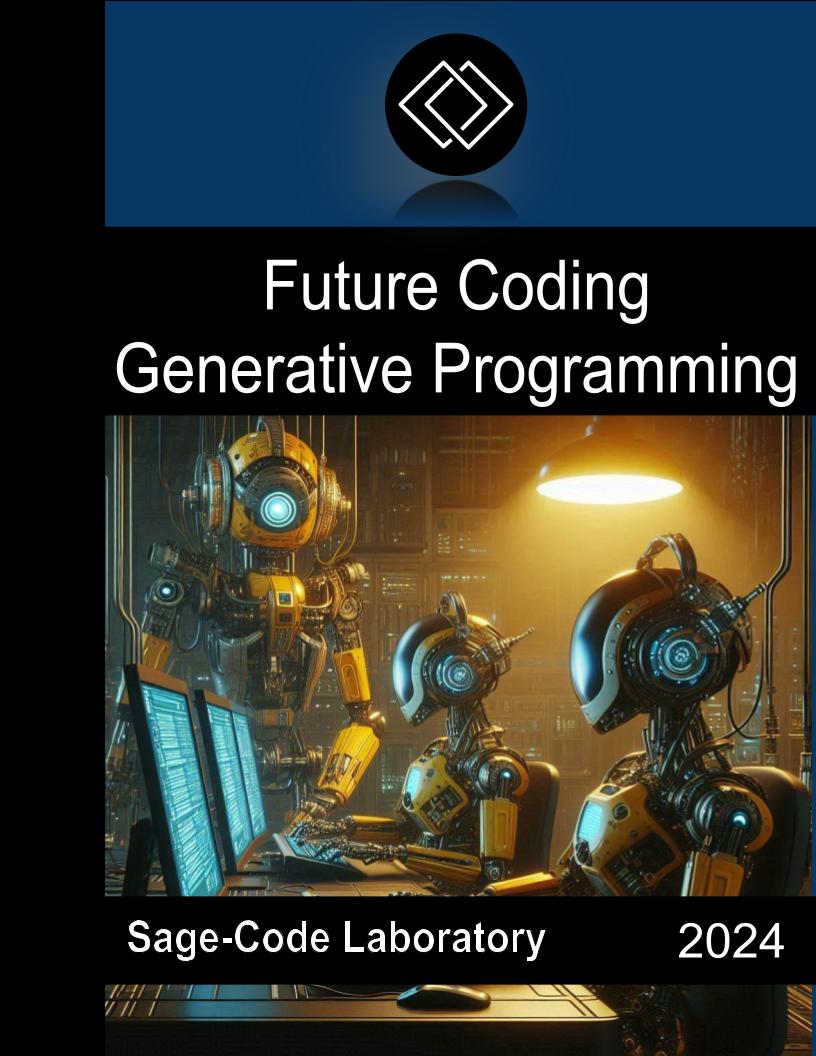
If you purchase and read any of these books, we would greatly appreciate if you could share your feedback by posting a review on Amazon. Your honest reviews help other learners discover these resources and are incredibly valuable to us. Without it, we cannot continue to create new books. Thank you for your support.
Read next: Projects